Emergency Preparedness Toolkit for All Learners

How might we reimagine workplace training curricula to cater to all learners, regardless of learning style or ability?

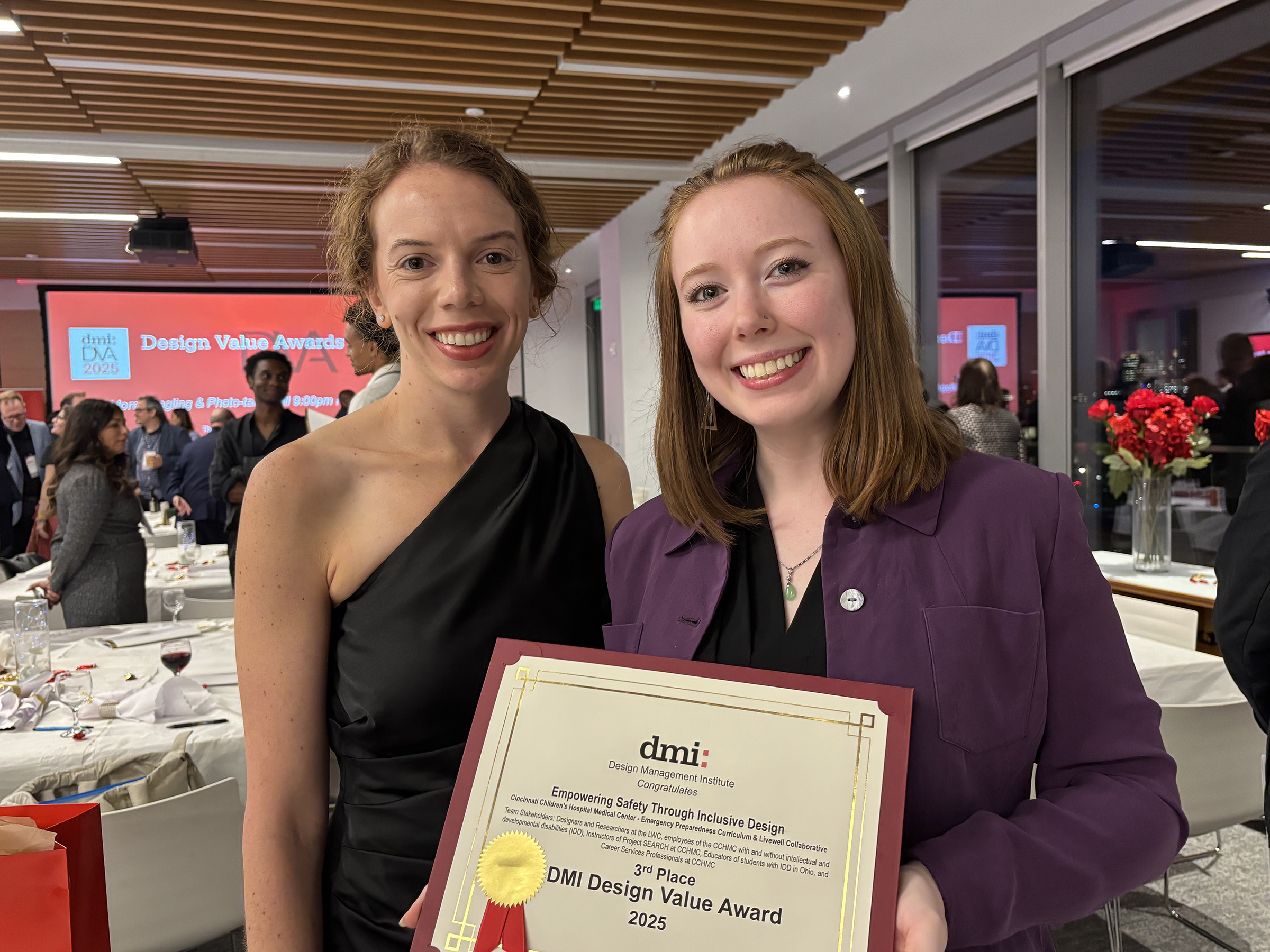
2025 DMI Award

this work was made possible by

Cincinnati Children's Hospital Medical Center, Project SEARCH

PI: Dennis Cleary, OTD, MS, OTR

my role

Project Lead
UX Researcher
Visual Designer, presentations and workbooks

SKILLS

Conducting stakeholder interviews
Secondary research and synthesis
Graphic design for print collateral
Curriculum design
Systems mapping

background

Challenging Non-Inclusive Design

Individuals with intellectual and developmental disabilities (IDD) are severely underrepresented in the development of educational collateral. Many onboarding or emergency curricula do not accommodate their needs.

Project SEARCH at Cincinnati Children's Hospital Medical Center (CCHMC), which provides a path for those with disabilities toward education and employment, set out to change that.

The teaching team realized that students were not fully engaging with classroom materials. These tools, designed for neurotypical employees, were difficult to understand and did not encourage conversational or situational practice about serious, sometimes scary topics. This placed a heavy burden on instructors and limited the students' information retention.

distilling our research

Communication is Key

After interviewing Project SEARCH students and instructors, school intervention specialists, and other educational experts, my team and I determined that the stress of emergency situations is the greatest barrier to students applying their knowledge. During focus groups, some students chatted with ease about their hypothetical actions, and others panicked or shut down.

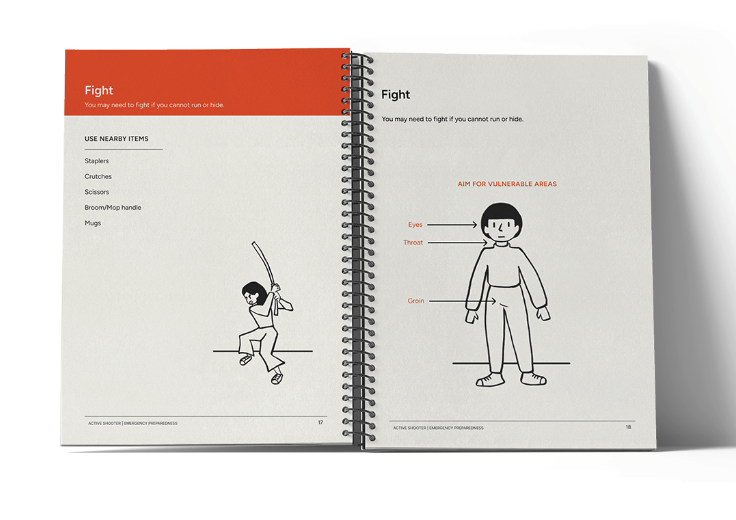
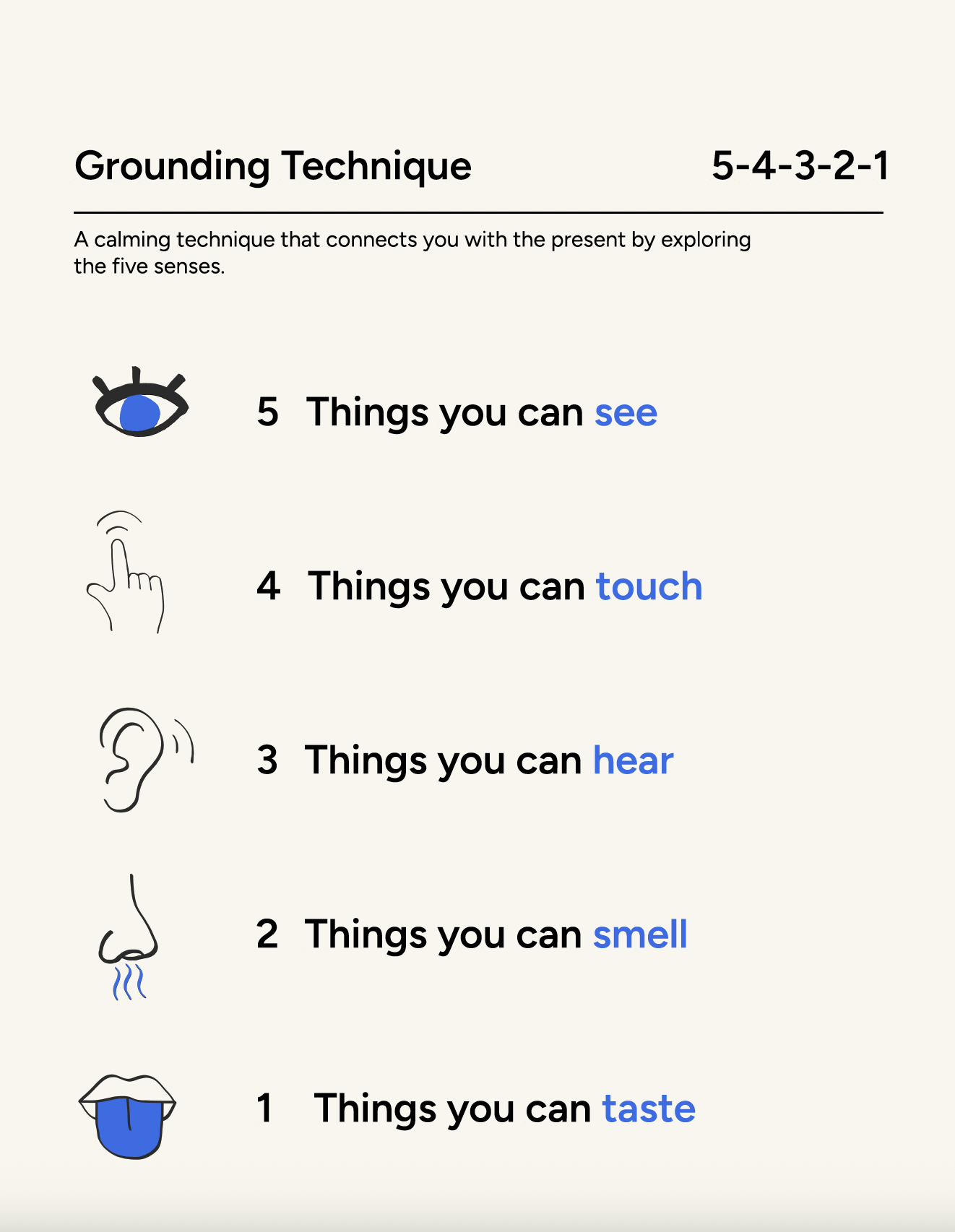
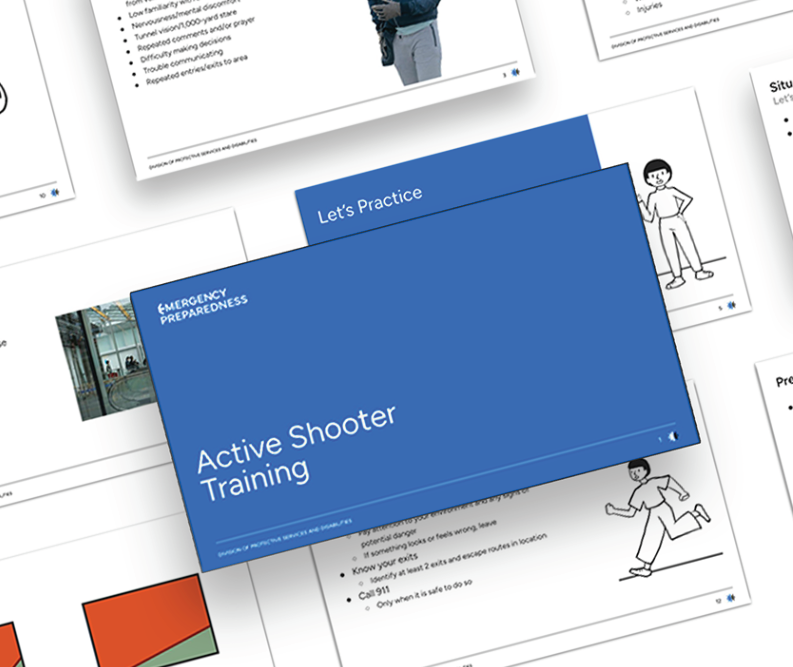
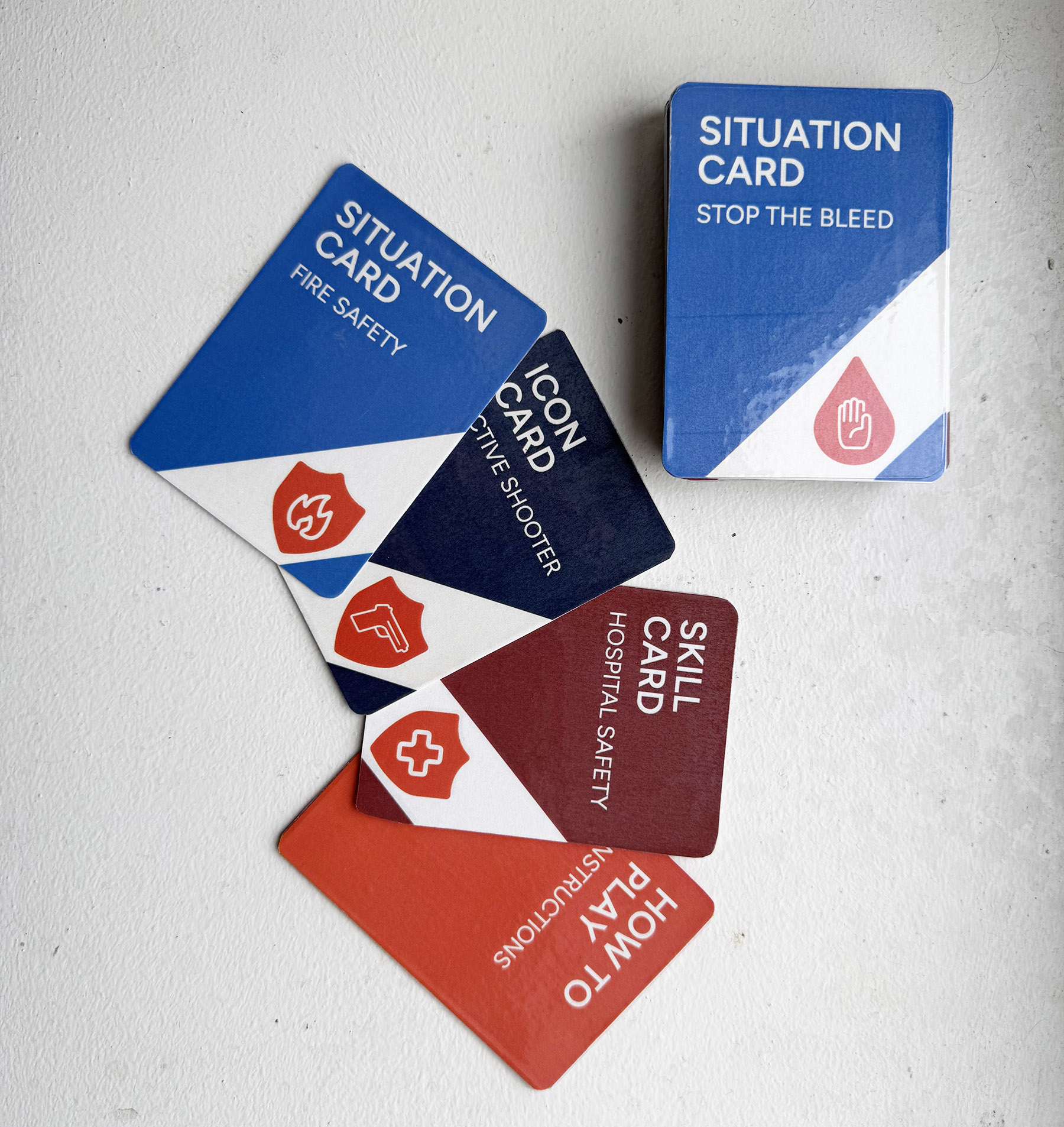
How would we close this gap? We began to create new materials suited to a combination of kinesthetic, visual, and auditory learning preferences that encouraged, but never required, a conversational approach. This led to the adoption of four main classroom components: an interactive presentation suite, a solo/partner card deck, five workbooks, and a collection of handouts with reminders and calming mechanisms.

building & testing & rebuilding

Designing an Inclusive Curriculum

In testing prototypes, my team and I observed students' interactions with these materials both on their own and in pairs. We introduced physical and digital components in different orders, and noted what was engaging, confusing, calming, and anxiety-inducing. We consulted with the teaching team to determine how each topic's lesson would be delivered, and developed a robust implementation plan to guide newer instructors and advise on future modifications.

impact

Empowering Active Learning

This system of classroom materials fills a critical gap in emergency training for individuals with IDD. This work can now support 50,000+ Project SEARCH interns globally, thanks to the scalable curriculum that can be used anywhere. The freely accessible toolkit benefits schools, hospitals, and families, and promotes safety, autonomy, and confidence in high-stress situations.

Our commitment to designing for everyone included instructors as well; the streamlined lesson planning process saves time in a fast-paced environment, and the increased effectiveness of each class session reduces the need to review as a group.

I frequently reference the stakeholder research I conducted in this work as a reminder to design communication tools for the most specific cases, as paying attention to the extreme user scenarios leads to better products for all.