Sickle Cell Disease Education

How might we increase newborn parents' information retention about sickle cell trait, disease, and testing in a culturally sensitive manner?

2024 DMI Award

this work was made possible by

Cincinnati Children's Hospital Medical Center, Comprehensive Sickle Cell Center

PI: Dr. Lori Crosby, PsyD

my role

UX Researcher
Motion & Visual Designer
Voice Actor
French Translator

SKILLS

Character illustration
2D animation
Script writing and translation
Health communication
background

The Health Risks of Misinformation

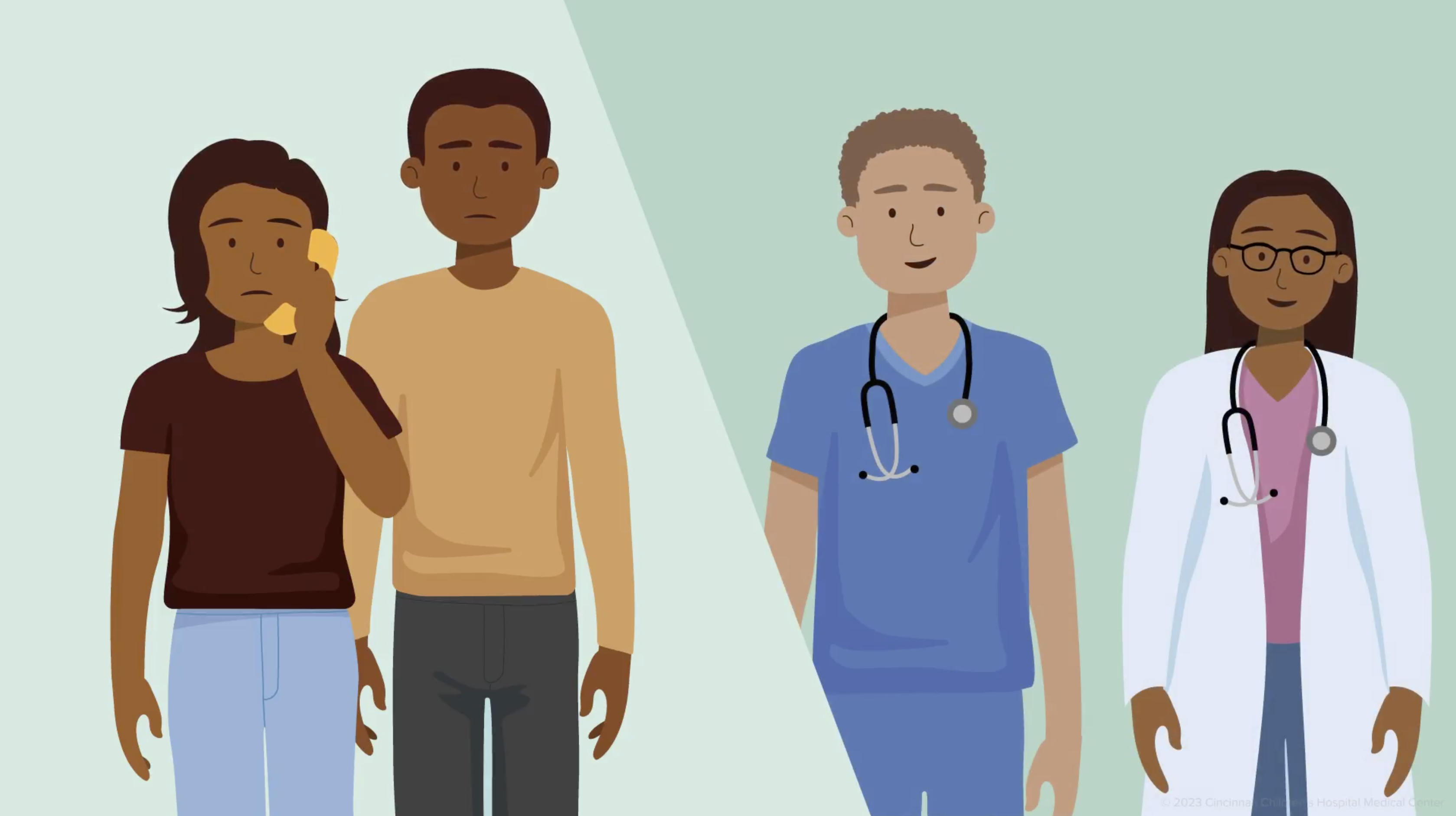
Sickle cell disease affects over 100,000 people in the United States. All newborns are tested for sickle cell trait at birth, and families with positive results receive regular education from a trained counselor. These counselors, however, reported difficulties in communicating the difference between sickle cell and disease to their patients. At best, this led families to experience confusion and anxiety about the implications of their child's diagnosis, and at worst would lead to severe mental and physical stress on unaddressed symptoms.

The first segment of this work received a Design Management Institute Award in 2024, prompting the additional development of five more educational videos and a collection of printed reference materials. My role was to animate and produce videos detailing the different types of sickle cell trait, which I then translated and voiced in French to expand the project's reach.

becoming an expert

Gaining Literacy on SCT & SCD

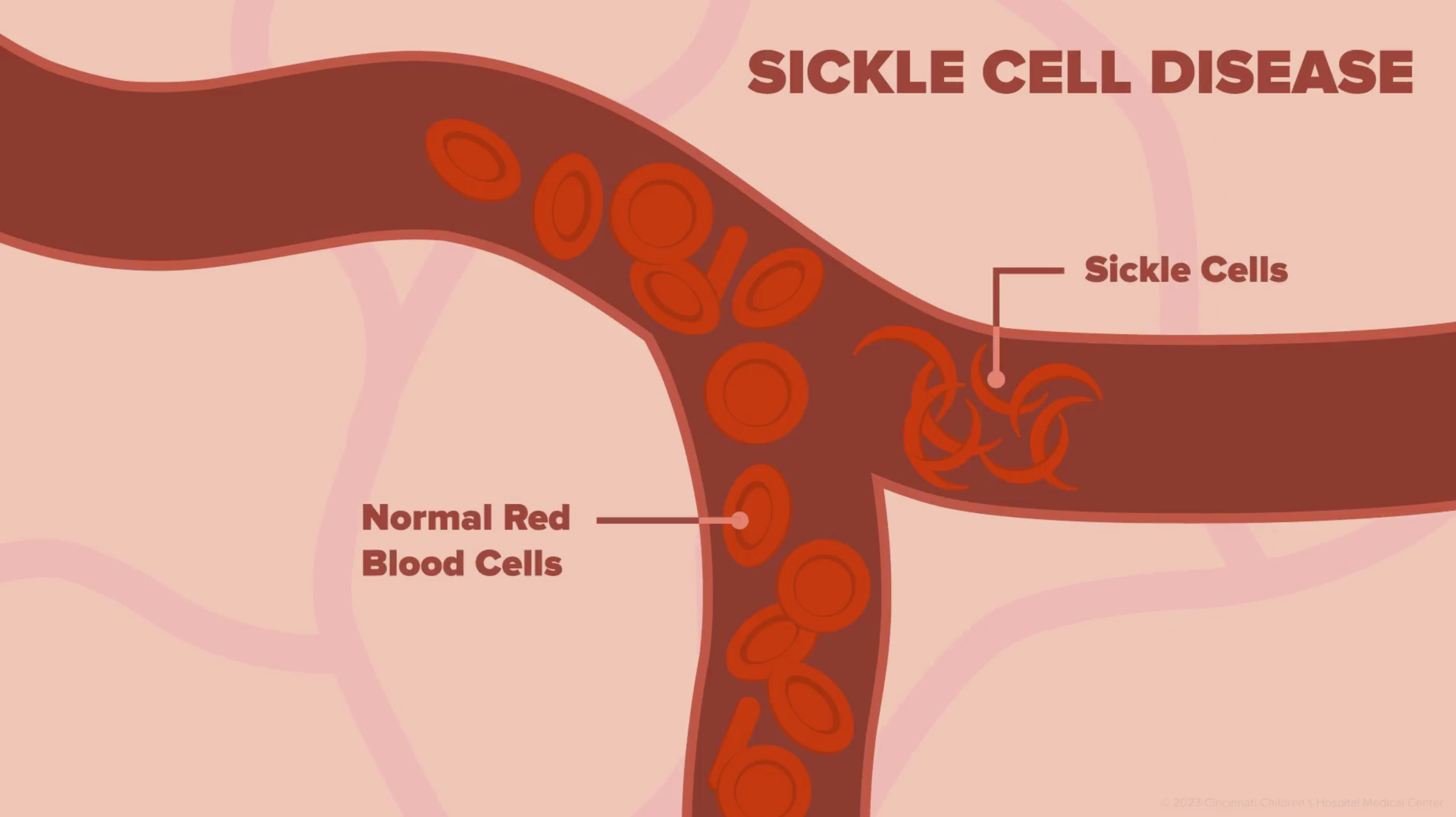
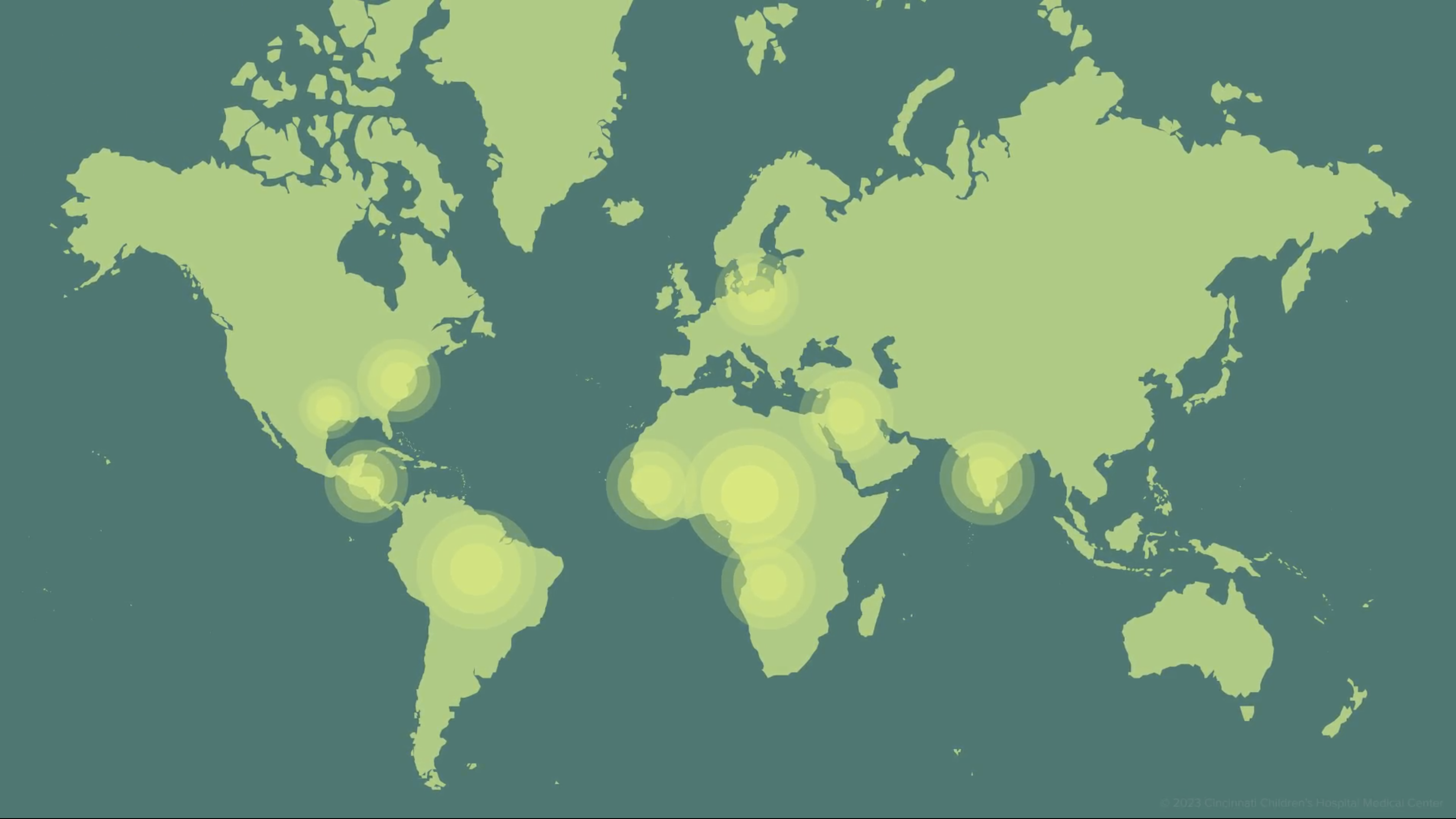
No two individuals have the same experience with their sickle cell trait or disease diagnosis. While those with sickle cell trait typically do not experience symptoms, those with sickle cell disease may suffer from pain crises and physical weakness, leading to mental health issues, school and work absences, and strained relationships. The sickled cell gene is most common in individuals of African descent, presenting health equity concerns for patients and their families to get the medical care and advice that they need.

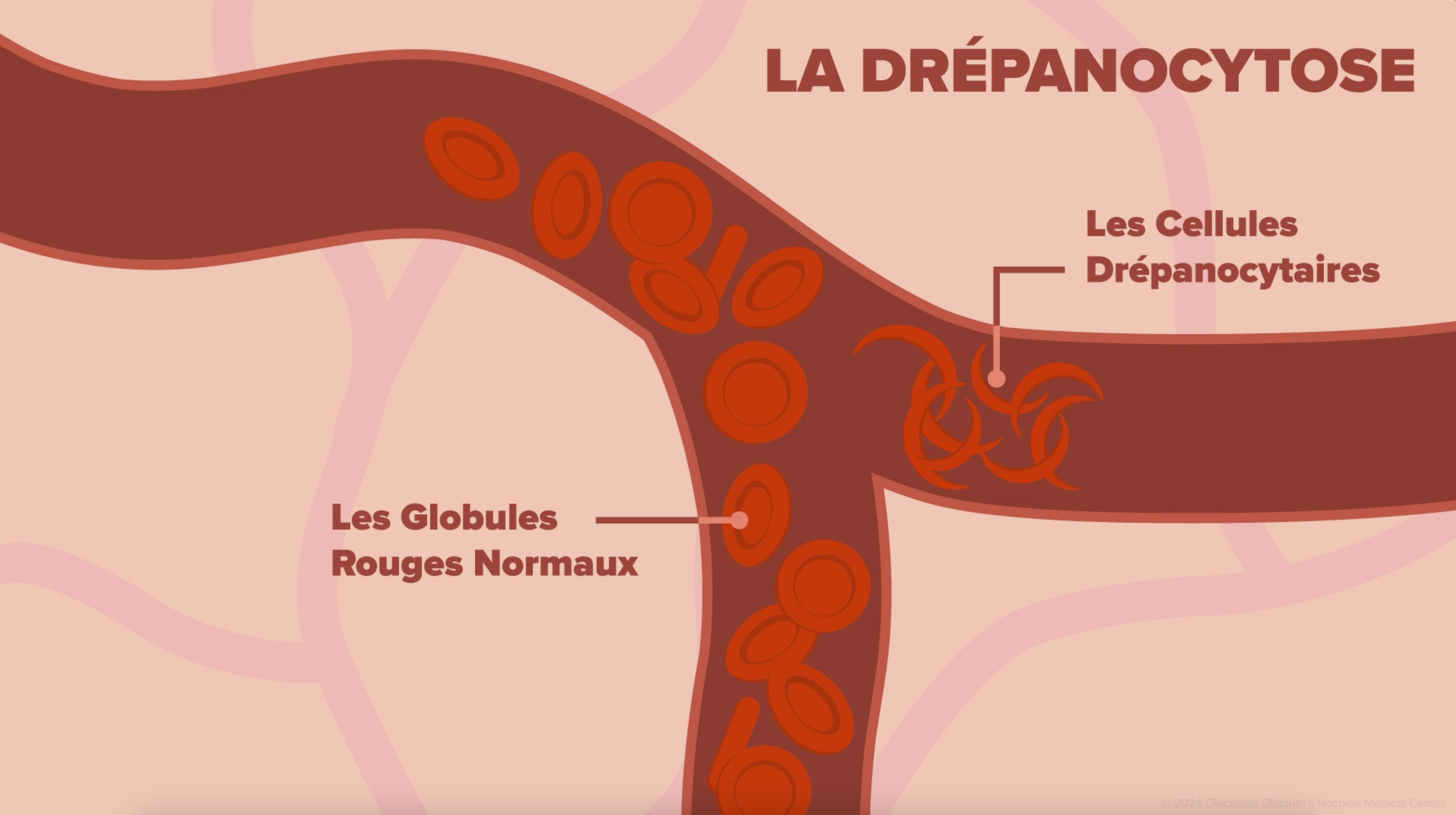
To add to the accessibility issues, these resources are largely only available in English. Individuals with sickle cell trait come from all around the globe, and at Cincinnati Children's, translators assist immigrants and visiting patients with medical communications in Arabic, French, Spanish, and dozens of other languages.

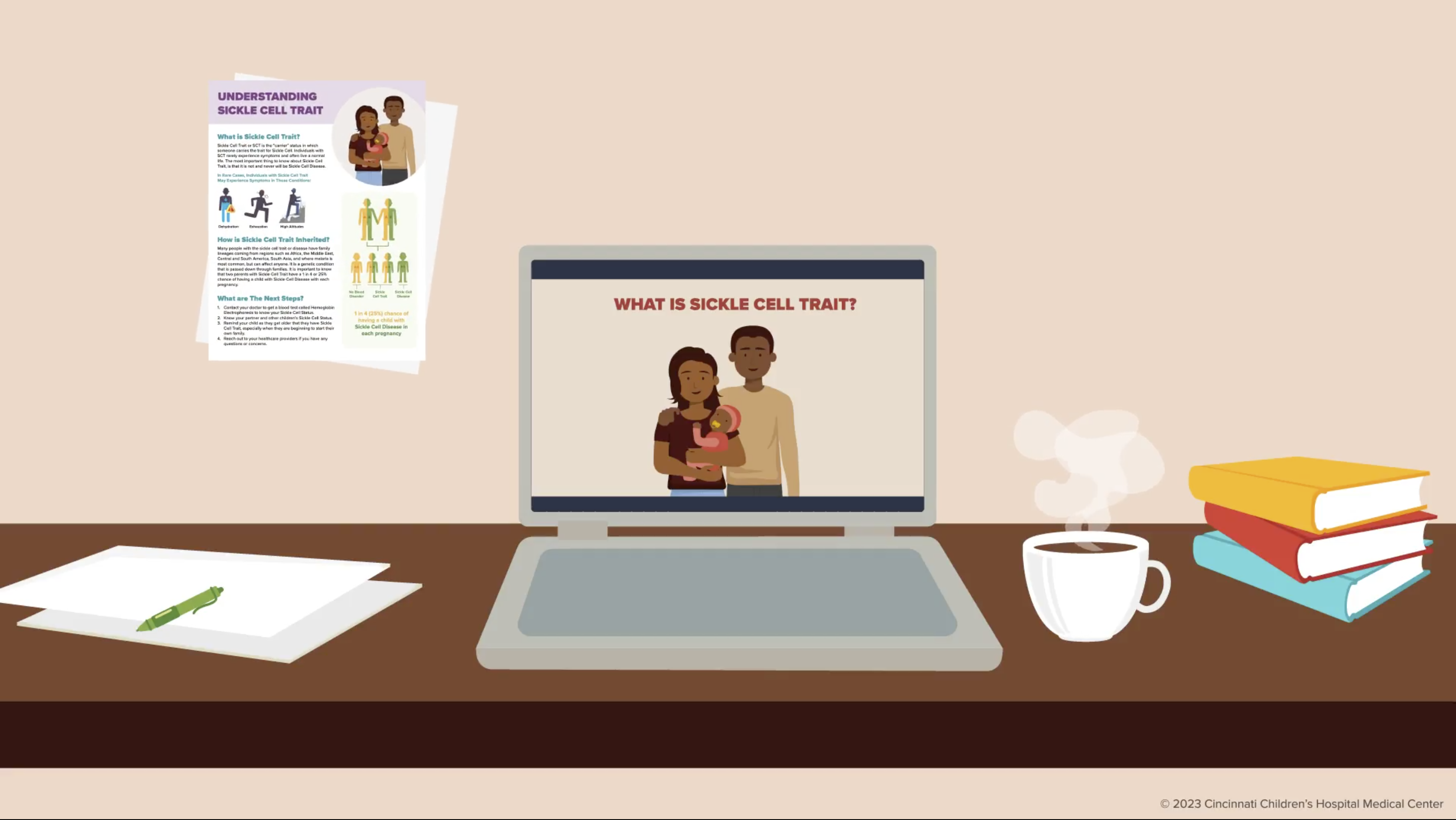
My role at this point was to expand on the original "What is Sickle Cell Trait?" video that I had previously co-produced, creating a series of scripted and narrated animations to educate families on the different types of sickle cell trait. I also meticulously translated the main introduction video into French and recorded the voiceover in my second language.
Contact me to watch these videos

impact

Education Beyond Appointments

Access to free and accurate medical information can be difficult to find. These videos provide the space for nervous parents to learn before consulting directly with their counselor, at which point they can ask follow-up questions without anxiety clouding comprehension.

The development of background knowledge materials for hemoglobinopathy training and counseling minimizes the provider's risk of accidentally sharing misinformation. These counselors are effectively teachers, and as is the case with any instructor, their confidence level directly impacts the effectiveness of learning, whether by patients or pupils.

This work highlighted for me the importance of cross-cultural design and communication. Beyond my pleasure at the opportunity to apply my French language skills to my work, I continue to be humbled by the knowledge that more families will ease their worries about medical information thanks to its availability in their native language.